June 8, 2026
Concrete is a durable and versatile material commonly used in home construction. Over time, however, different areas around a property can experience wear, cracking, settling, or surface damage that impacts both safety and usability. In many cases, concrete repair, leveling, or full replacement is needed to restore a stable surface. Understanding where these issues most commonly occur can help homeowners and concrete contractors better maintain the condition of a property and address problems before they worsen. According to House Grail, concrete typically consists of 60% to 75% aggregate, 15% cement and water, and 5% to 8% air.
1. Durable Driveways
Driveways are one of the most heavily used concrete surfaces around a home, and concrete contractors often assess them first when evaluating exterior wear. They support the daily weight of vehicles and are constantly exposed to weather changes, shifting soil, and seasonal freeze-thaw cycles. A properly maintained driveway helps preserve both functionality and curb appeal while providing a stable surface for entry and parking. Over time, even small issues can expand into larger structural concerns if they are not addressed in a timely manner.
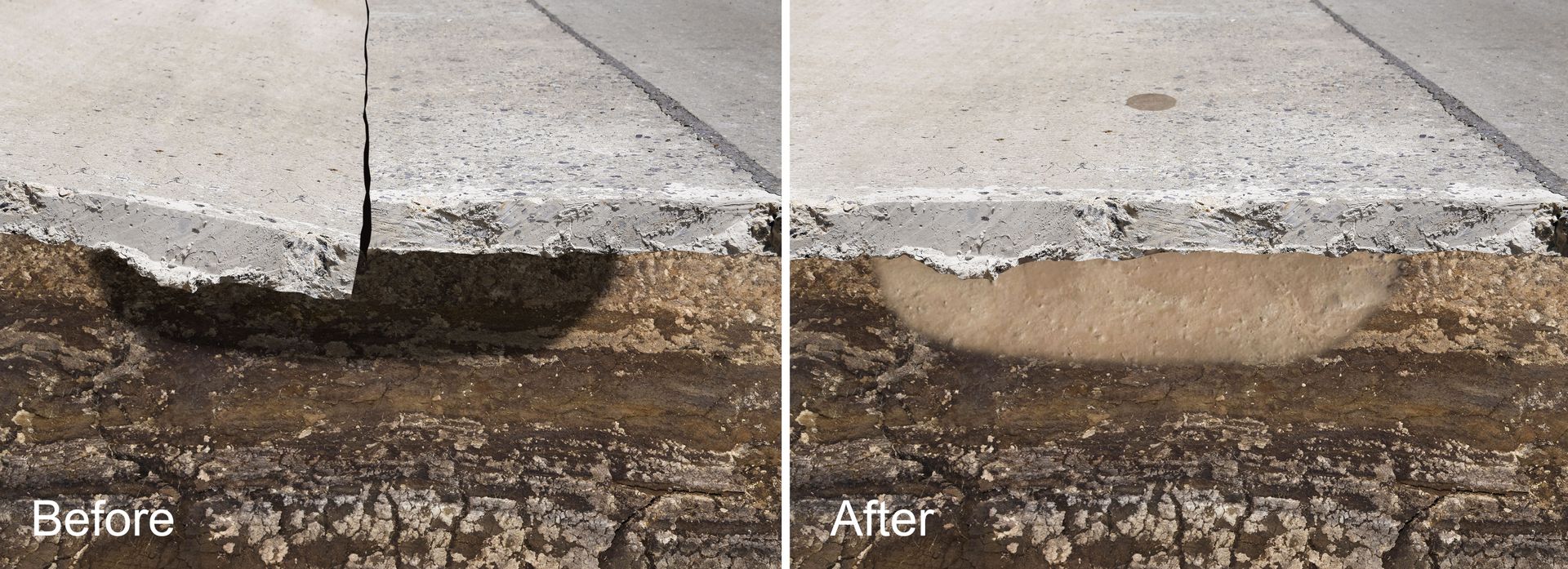
Concrete driveways can develop cracks, surface wear, and uneven settling over time, all of which may require attention from concrete contractors. These issues are often caused by shifting soil, freeze-thaw cycles, or long-term pressure from vehicles. As the surface deteriorates, it can become uneven and less safe to use, especially in high-traffic areas. Addressing these concerns early helps maintain a more consistent surface and reduces the likelihood of further deterioration.
2. Safe Sidewalks
Sidewalks play an important role in safe pedestrian access around a property, and concrete contractors often evaluate them for uneven or damaged sections. When sections become cracked, lifted, or uneven, they can create tripping hazards for residents and visitors. These issues can develop gradually due to soil movement, moisture changes, or long-term surface wear. Maintaining sidewalks helps ensure safe and consistent access across the property.
Common signs that sidewalks may need attention include visible cracking, separation between slabs, or areas that have settled or risen unevenly. Concrete contractors typically assess these conditions to determine whether leveling or repair is needed. These issues often indicate underlying soil movement or long-term wear that affects the stability of the surface. Early identification helps prevent more extensive surface damage.
3. Functional Patios
Concrete patios provide functional outdoor living areas for seating, dining, and recreation, and concrete contractors often work on restoring these spaces when issues develop. Over time, patios can shift or crack due to soil movement, weather exposure, or long-term use. These changes can impact both the appearance and usability of the space. Maintaining a stable patio surface helps preserve outdoor functionality.
Common indicators that a patio may need repair or replacement include surface cracking, sinking sections, and uneven areas that collect water. Concrete contractors often evaluate these conditions to determine the best approach for restoration. These issues can reduce both comfort and safety when using the space regularly. Addressing them helps maintain a more stable and usable outdoor area.
4. Stable Pool Decks
Pool decks must remain stable and even to support safe movement around wet surfaces, and concrete contractors often address these areas when wear or shifting occurs. Cracks or uneven sections can increase the risk of slips and reduce overall usability. These surfaces are exposed to both moisture and temperature changes, which can contribute to gradual deterioration. Maintaining these areas is important for safe poolside activity.
Signs of damage include surface cracking, sinking sections, and areas that have shifted due to soil movement or long-term exposure to moisture and temperature changes. Concrete contractors evaluate these issues to determine whether repair or leveling is needed. These conditions often develop gradually and may worsen over time if left unaddressed. Identifying them early helps maintain a safer surface.
5. Solid Basement Floors
Concrete basement floors provide a stable foundation for below-grade spaces, and concrete contractors often evaluate them for signs of wear or movement. They support storage, living areas, and structural loads while helping create a solid, level base. Over time, moisture and shifting soil conditions can affect their integrity. Maintaining a stable basement floor is important for overall structural performance.
Signs of damage may include cracking, uneven settling, or moisture-related deterioration. Concrete contractors assess these issues to determine whether repair or replacement is required. These problems can affect both the appearance and structural consistency of the floor. Addressing them helps maintain a more functional basement space.
6. Dependable Steps and Stairways
Concrete steps are essential for safe entry and exit around a home, and concrete contractors frequently address damage in these areas. When steps become cracked, uneven, or worn, they can create safety hazards for daily use. These conditions often develop gradually due to weather exposure and repeated use. Maintaining step integrity helps ensure safe access points.
Common indicators include surface crumbling, shifting sections, or uneven heights between steps. Concrete contractors evaluate these issues to determine appropriate repair or replacement solutions. These problems can make access more difficult and less safe over time. Early intervention helps maintain safer entryways.
7. Defined Curbs
Concrete curbing helps define edges along driveways, sidewalks, and landscaped areas, and concrete contractors often repair these sections when damage occurs. When curbing becomes cracked or deteriorated, it can affect both appearance and structural integrity. These issues are typically caused by weather exposure or soil movement. Maintaining curb condition supports the overall property structure.
Common issues include cracking, shifting, or erosion along curb edges. Concrete contractors evaluate these conditions to determine whether repair or replacement is needed. These problems can gradually worsen if left unaddressed. Early repair helps maintain clean and defined edges.
8. Stable Retaining Walls
Concrete and masonry retaining walls help manage soil levels and support changes in elevation around a property, and concrete contractors often assess them for structural issues. When damaged, they can affect the surrounding ground stability and nearby surfaces. These structures are exposed to pressure from soil and moisture over time. Maintaining stability is essential for overall site integrity.
Cracking, leaning, or shifting sections can indicate movement in the soil or structural stress on the wall. Concrete contractors evaluate these signs to determine appropriate repair solutions. These issues can develop gradually and may worsen if left unaddressed. Early attention helps maintain structural balance.
Repairing damaged retaining walls helps restore stability and supports the surrounding landscape and concrete structures. Concrete contractors focus on reinforcing affected areas and improving structural integrity. These repairs help maintain safe and stable elevation control. They also support the longevity of nearby concrete surfaces. Addressing drainage issues behind the wall can further reduce pressure and help prevent future shifting.
Concrete surfaces around a home are constantly exposed to shifting soil, weather changes, and everyday wear, which can gradually lead to cracking, settling, or uneven areas. From driveways and sidewalks to patios, pool decks, basement floors, steps, curbing, and retaining walls, these surfaces often need attention over time to stay safe and functional. Staying ahead of these issues helps maintain both the structural condition of the property and its overall usability. Concrete contractors play an important role in identifying and addressing these concerns before they worsen.
For homeowners in the Lincoln area looking to learn more about concrete repair, leveling, and replacement options, including mudjacking and slab restoration, Concrete Doctor offers services designed to restore and stabilize damaged surfaces.