August 31, 2026
Concrete surfaces provide essential strength and durability for residential and commercial structures. However, shifting soils, moisture fluctuations, and natural wear can compromise their structural integrity over time. Sunken or cracked slabs introduce safety hazards and diminish property value. Repairing these surfaces quickly restores both safety and aesthetic appeal. Understanding common concrete issues allows property owners to select efficient, non-invasive solutions for long-term stabilization.
Identifying Driveway Erosion
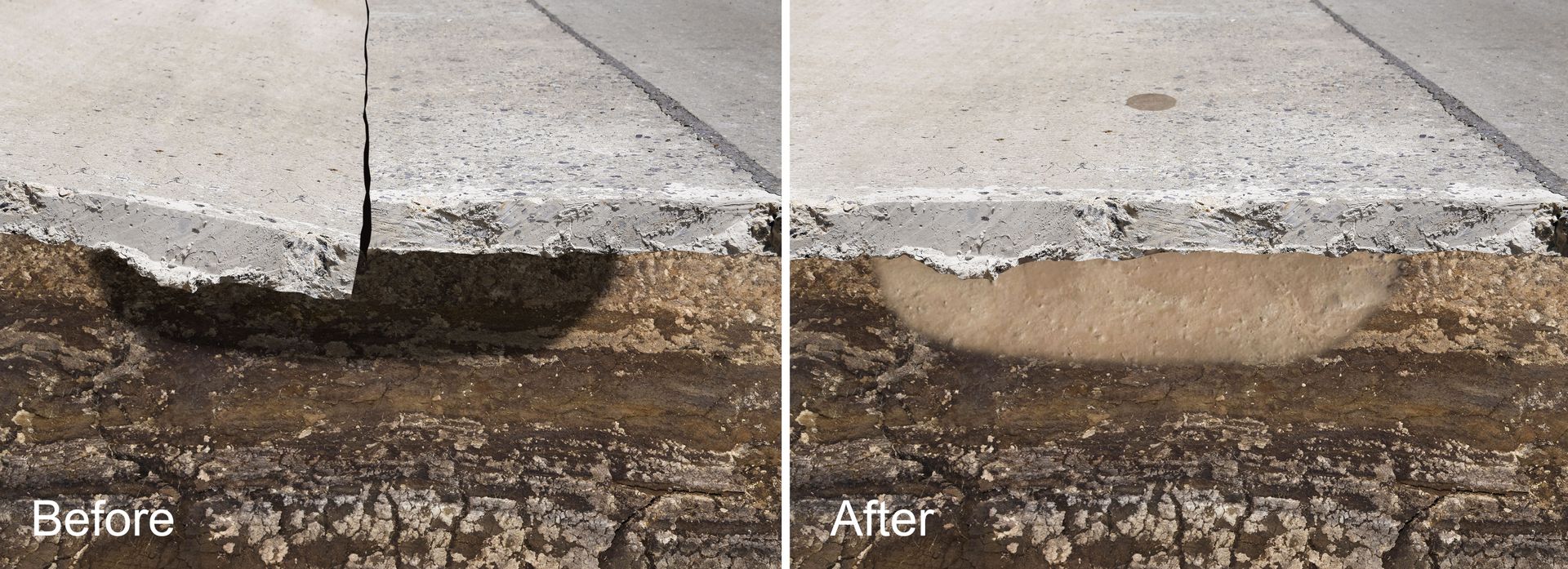
Uneven driveways typically stem from soil erosion beneath the concrete slabs. Heavy rainfall, poor drainage, and shifting moisture levels wash away foundational soil, causing slabs to settle unevenly. Expanding tree roots can also disrupt underlying ground stability. Identifying early signs of erosion prevents secondary structural damage and costly repairs.
Assessing Vehicle Risks
Uneven driveway surfaces create significant hazards for traveling vehicles. Crossing misaligned slabs accelerates wear on tires, alignment, and suspension systems over time. Severe drops can cause sudden jolts, potentially leading to a loss of driver control during adverse weather conditions. Maintaining a smooth surface preserves vehicle health and enhances overall driveway safety.
Executing Driveway Corrections
Correcting uneven driveways is straightforward using targeted techniques. Technicians drill small access holes into sunken slabs and inject a dense slurry to fill voids beneath the surface. According to HomeAdvisor, it usually takes one to three days for mudjacking to fully dry. Utilizing specialized mudjacking services lifts slabs back to their original position without disrupting surrounding structures.
Maintaining Driveway Longevity
Preventive maintenance prolongs the lifespan of newly leveled driveways. Regular inspections help catch minor soil movement before significant settling occurs. Optimizing surrounding drainage and applying quality concrete sealants reduces water penetration and prevents future soil erosion. Combining routine care with timely repairs ensures lasting surface stability.
Identifying Sidewalk Settlement
Sidewalks sink primarily due to soil erosion, poor compaction, and seasonal moisture shifts. The freeze-thaw cycle in colder climates repeatedly expands and contracts underlying soil, weakening foundational support. Tree root growth also dislodges slabs, creating dangerous vertical drops. Promptly identifying settlement prevents widespread pedestrian hazards.
Assessing Pedestrian Hazards
Sunken sidewalk slabs create severe trip hazards for pedestrians walking through residential or commercial areas. Uneven walkways increase property liability risks while restricting access for individuals with mobility challenges. Neglecting sunken slabs leads to progressive cracking and further structural decay. Leveling walkways maintains public safety and ensures universal accessibility.
Executing Sidewalk Leveling
Elevating settled walkways involves drilling minimal access holes and pumping a stabilizing compound beneath the concrete. This process fills hidden subsurface voids and elevates the slab to match adjacent sections. Contracting professional mudjacking services restores level walkways rapidly, minimizing disruption to foot traffic. Fast curing times allow sidewalks to reopen quickly.
Executing Step Stabilization
Stabilizing sunken entry steps requires lifting the structure from beneath its base. Injecting a supportive compound into sub-surface voids raises the steps back to their original position. Relying on mudjacking services restores structural balance without requiring expensive structural rebuilding. The rapid curing process ensures entryways become safe for immediate daily use.
Analyzing Cost Advantages
Elevating displaced steps is significantly more budget-friendly than pouring new concrete entryways. Rebuilding steps requires complex formwork, extensive labor, and lengthy drying periods that block building access. Lifting the current structure avoids demolition waste and drastically lowers total repair expenses. Homeowners secure durable results while conserving financial resources.
Identifying Garage Subsidence
Garage floors settle when underlying soil compacts under heavy loads or washes away due to poor drainage. Prolonged exposure to water from melting snow or vehicle runoff weakens foundational support layers. The continuous weight of parked vehicles accelerates concrete sinking over time. Identifying floor settlement early protects internal garage structures.
Executing Floor Elevation
Lifting a sunken garage floor involves drilling precise access holes through the slab. A dense mixture is pumped underneath to fill empty pockets and raise the concrete back to a level plane. Hiring expert mudjacking services addresses floor subsidence cleanly without removing installed garage fixtures. This process yields a stable, even surface capable of supporting heavy loads.
Analyzing Financial Savings
Choosing concrete elevation over garage floor replacement saves substantial time and money. Demolishing an interior garage slab is labor-intensive, dusty, and requires clearing out the entire space for extended periods. Lifting the existing slab reduces project timelines and avoids high replacement costs. Homeowners regain a level garage floor with minimal disruption.
Maintaining Garage Longevity
Extending the lifespan of a repaired garage floor requires managing surface moisture effectively. Applying protective concrete sealants guards against oil spills, road salts, and water intrusion. Ensuring garage drainage systems route water away from the slab prevents future soil erosion. Consistent maintenance preserves floor levelness for years.
Identifying Deck Misalignment
Patio and deck slabs shift when underlying soil settles from heavy rainfall or frost heave cycles. Poor soil compaction during initial construction creates weak points that sink under weather exposure. Inadequate drainage around patio perimeters leads to localized soil erosion. Recognizing misalignment early prevents widespread structural cracking.
Assessing Outdoor Hazards
Misaligned patios disrupt outdoor recreation and create unsafe living spaces. Uneven surfaces cause outdoor furniture to wobble, making entertainment areas uncomfortable and hazardous. Sunken patio slabs can direct rainwater toward the home's foundation rather than away from it. Realignment restores outdoor usability and protects adjacent structures.
Executing Patio Realignment
Realigning patio slabs requires injecting a leveling compound directly beneath settled areas. The material expands to fill voids, gently lifting the concrete back into alignment with surrounding features. Selecting reputable mudjacking services ensures precise leveling without damaging surrounding landscaping or garden beds. The quick curing time allows rapid resumption of outdoor activities.
Analyzing Repair Efficiency
Slab elevation provides a faster, cleaner alternative to patio demolition and repouring. Total replacement disrupts yard spaces, destroys surrounding turf, and requires lengthy curing schedules. Lifting existing patio slabs preserves original stone or concrete finishes while cutting labor costs. Property owners enjoy restored outdoor living areas without heavy construction chaos.
Maintaining Alignment Standards
Sustaining a level patio requires managing surrounding landscape drainage. Diverting roof runoff away from patio perimeters prevents water from washing out sub-grade soil support. Sealing expansion joints prevents weed growth and stops surface water from reaching sub-slab layers. Routine care preserves patio alignment across changing seasons.
Identifying Pool Subsidence
Pool decks settle when continuous water splash-out and ground seepage erode foundational soil underneath slabs. Inadequate backfilling during initial pool construction often leaves hidden soil voids that settle over time. Heavy foot traffic around pool perimeters accelerates slab sinking. Early detection prevents severe deck misalignments and plumbing damage.
Assessing Poolside Hazards
Sunken pool decks create dangerous stubbed-toe and trip hazards for barefoot swimmers. Misaligned slabs can form sharp edges and cause pool water to pool in undesirable areas. Severe deck settling may place stress on pool coping and underground plumbing lines. Leveling the deck ensures a safe, visually appealing recreation area.
Executing Deck Restoration
Restoring a sunken pool deck involves strategically injecting a buoyant, stabilizing mixture beneath sunken slabs. This process lifts the concrete evenly, eliminating vertical offsets near pool edges. Investing in professional mudjacking services elevates sunken sections without cracking delicate pool coping. Rapid drying schedules ensure the pool area returns to service quickly.
Elevating sunken concrete slabs resolves critical safety hazards while restoring property value efficiently. Addressing soil erosion, misaligned driveways, and sunken walkways early prevents extensive structural decay. Utilizing targeted slab lifting methods delivers durable, cost-effective repairs without the hassle of total replacement. Ongoing surface sealing and proper drainage management maximize the lifespan of completed repairs. To restore your property's concrete surfaces safely and affordably, contact Concrete Doctor Inc.