July 31, 2026
Concrete caulking is a crucial component in the prevention of weather-related damage to both residential and commercial structures. With the global production of concrete reaching approximately 4.4 billion tons per year, according to House Grail, the importance of maintaining these concrete installations cannot be overstated. Proper caulking not only extends the life of these structures but also enhances their resistance to environmental challenges. When buildings are exposed to the elements, caulking serves as a primary defense mechanism, preventing moisture and extreme temperature fluctuations from compromising structural integrity. Investing in professional caulking services yields major benefits in terms of durability and reduced maintenance costs.
The Role of Concrete Caulking in Structural Integrity
Understanding Concrete Caulking
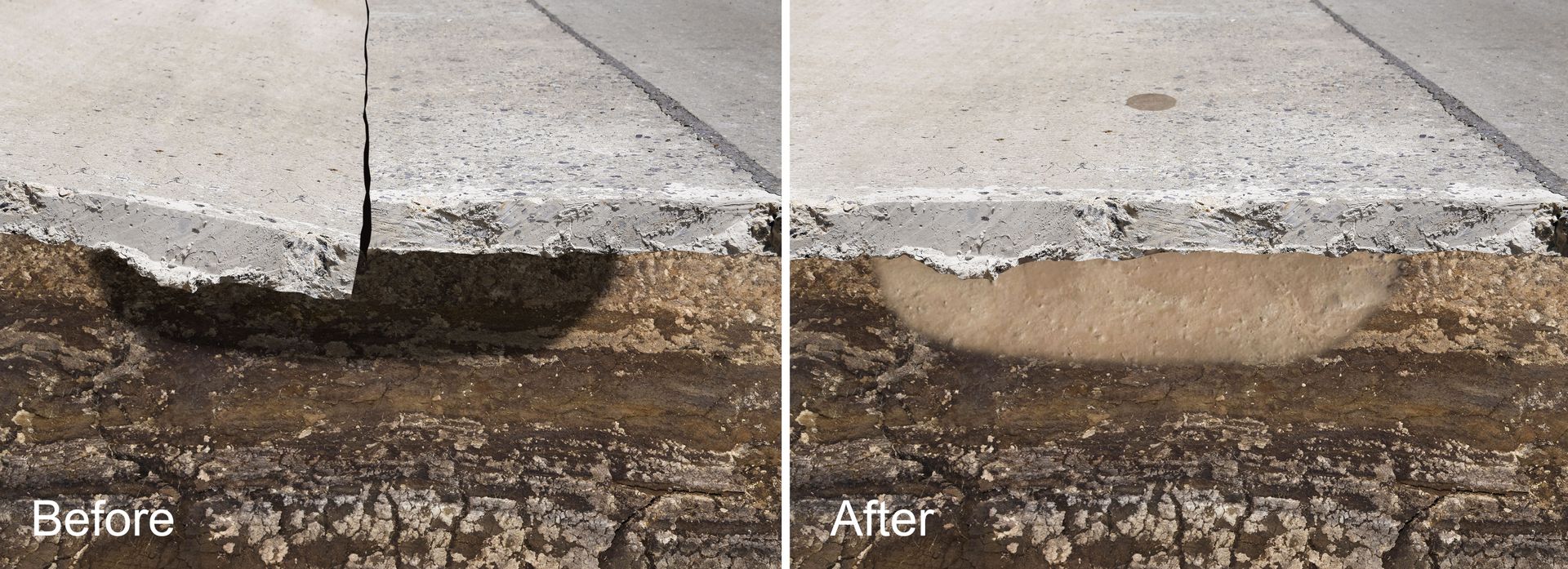
Concrete caulking involves sealing joints and cracks in concrete surfaces to protect against environmental and structural damage. This process is essential for maintaining the durability and appearance of concrete installations, as unprotected joints and cracks can lead to severe damage over time. By creating a flexible and resilient barrier, caulking serves to minimize the exposure of concrete to water, debris, and other damaging elements. Such protection is imperative in areas with variable weather conditions, where precipitation and temperature shifts can quickly exacerbate small structural flaws. Thus, concrete caulking can be viewed as a preventive maintenance technique, and experienced caulking services can help support building longevity.
Preventing Moisture Infiltration
One of the main functions of concrete caulking is to prevent moisture infiltration into the building’s structure. Moisture is a common cause of deterioration, leading to issues like mold growth, material weakening, and freeze-thaw damage. By blocking the entry of moisture through cracks and joints, caulking ensures the interior layers of concrete remain dry and protected. This is particularly important during rainy seasons or in climates that experience high humidity. Ultimately, by reducing moisture exposure, caulking services help maintain the structural integrity of the building and reduce the likelihood of costly water damage repairs.
Protecting Against Temperature Fluctuations
Temperature fluctuations pose another significant risk to concrete structures, and caulking plays a vital role in mitigating these effects. Seasonal changes often cause expansion and contraction in concrete, leading to cracks and surface degradation. Caulking acts as a sealant that accommodates these movements without cracking, thus maintaining the seal and protecting the concrete beneath. In regions prone to extreme temperatures, reliable caulking services provide a necessary line of defense against structural damage. This adaptability not only aids in preventing damage during peak summer and winter conditions but also reduces long-term maintenance needs.
Enhancing Longevity of Structures
A well-caulked structure is one that is poised for longevity, as regular maintenance through caulking can considerably extend a building’s lifespan. By addressing potential weak points, caulking prevents minor issues from developing into major structural failures. This preventive measure preserves the functional and aesthetic qualities of concrete, sustaining both the appearance and value of the property. As buildings endure various weather conditions each year, consistent caulking practices spare them from rapid deterioration. Thus, scheduling caulking services proactively can support extended structural life and stronger investment returns for property owners.
Case Studies on Caulking and Structural Failures
Numerous instances have demonstrated the consequences of inadequate caulking practices in buildings. One notable case involved a commercial complex that suffered significant water damage due to improperly sealed concrete joints. As water infiltrated the structure, it led to weakening foundations and costly repairs, emphasizing the critical role of caulking in weatherproofing. Conversely, another study highlighted a residential property that withstood severe weather thanks to diligent caulking maintenance, avoiding similar structural failures. These examples underscore the imperative of proper caulking, illustrating both the risks of negligence and the advantages of adherence to caulking best practices.
Types of Concrete Caulking Materials
Silicone vs. Acrylic Latex
Silicone and acrylic latex are among the most common materials used in concrete caulking, each offering distinct advantages. Silicone caulk, known for its flexibility and resistance to temperature extremes, is ideal for areas that experience significant weather variations. Acrylic latex, on the other hand, offers ease of application and is typically favored for its paintability, making it suitable for visible surfaces where aesthetics are a concern. However, it may not be as durable in high-stress environments as silicone. Choosing between these materials often depends on specific project requirements, such as environmental exposure and aesthetic considerations.
Choosing the Right Caulk for Different Concrete Surfaces
Selecting the appropriate caulk for concrete surfaces is essential, which is why professional caulking services begin with a careful evaluation of the area. Factors such as surface texture, location, and exposure to environmental elements should influence this decision. For instance, smoother surfaces may require a more adhesive caulk like polyurethane, while areas exposed to large temperature shifts might benefit from silicone's flexibility. It is also vital to consider whether the sealant will be painted, as some are more compatible with paint than others. Proper alignment of caulking material characteristics with surface conditions ensures optimal performance and longevity of the application.
Environmental Considerations in Caulking
Eco-friendly caulking options have become increasingly important as environmental sustainability becomes a priority in construction practices. Low-VOC (volatile organic compound) formulations are now commonly available, reducing the harmful emissions associated with traditional caulking products. Additionally, the efficiency and durability of eco-friendly caulks contribute to minimized waste, further benefiting the environment. As awareness grows, the utilization of these materials is encouraged not only for their environmental benefits but also for providing healthier indoor air quality for building occupants. Hence, investing in environmentally conscious caulking solutions can also support broader sustainability goals.
Correct Techniques for Caulking Application
Surface Preparation
Thorough surface preparation is essential to ensure successful caulking application and adherence. This process involves cleaning the area to remove dirt, debris, and any old or failing caulk, thereby ensuring a clear surface for application. Special agents or detergents may be used to scrub areas prone to mold or oil residue, which can interfere with the bonding process. It is also important to ensure that the surface is dry before applying caulk to prevent moisture entrapment under the sealant. Properly prepared surfaces contribute to a stronger bond and allow caulking services to deliver longer-lasting results.
Tools and Equipment Required
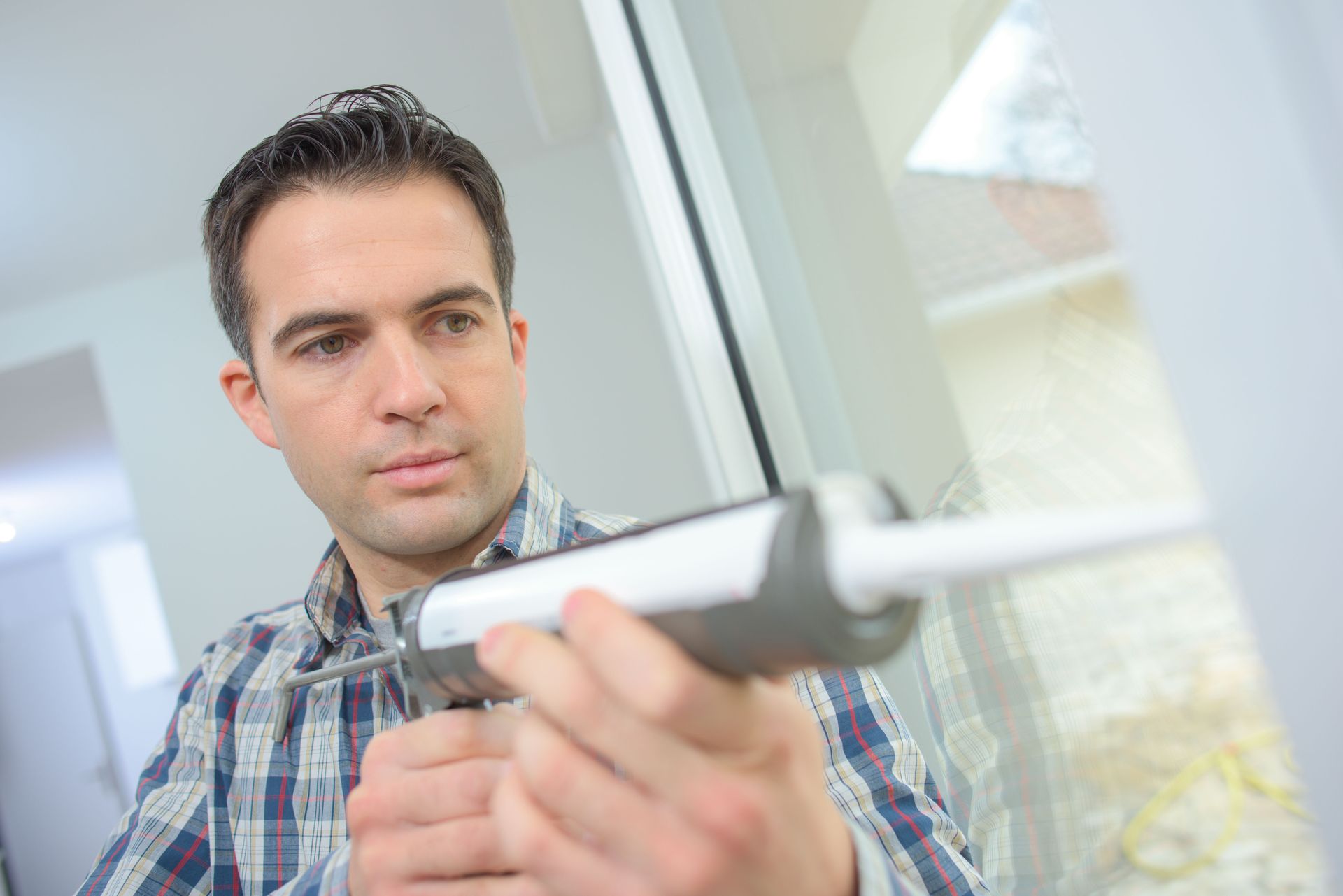
The right tools are crucial for effective caulking application, starting with a high-quality caulking gun to accurately dispense the sealant. Additional tools may include a utility knife for removing old caulk and smoothing tools such as caulk rockets or specialized spatulas. For safety and precision, protective gloves and goggles are recommended to avoid contact with chemicals. Equipment like masking tape can also be useful for creating clean, straight edge lines. Having the appropriate tools and equipment on hand ensures efficiency and quality in caulking projects.
Proper concrete caulking plays an important role in protecting residential and commercial structures from moisture, temperature changes, and long-term deterioration. By sealing cracks and joints before they worsen, property owners can reduce the risk of water damage, structural weakening, and expensive repairs. Choosing the right sealant, preparing the surface correctly, and scheduling routine inspections all contribute to stronger and longer-lasting results.
Professional
caulking services can also help identify vulnerable areas that may be easy to overlook during a basic visual inspection. With the right materials and application techniques, concrete surfaces can better withstand seasonal weather conditions while maintaining their appearance and performance. Investing in regular maintenance today can extend the life of the structure, lower future repair costs, and provide dependable protection throughout the year. Call Concrete Doctor Inc today to learn more.