October 1, 2026
Taking time to consider the project's purpose, appearance, scope, and expected progression can also make communication easier. The following steps can help you organize your priorities and compare concrete contractors based on the type of work your property requires. A clear understanding of your needs can also help you ask more focused questions throughout the process.
Clear Project Needs
Define the Project Scope
Start by identifying exactly what you need completed. Concrete work can include repair, replacement, leveling, raising, caulking, demolition, driveway work, foundation services, patios, pool decks, retaining walls, curbs, walkways, and concrete stairs. Knowing which category best describes your project can help you focus on a concrete contractor offering the appropriate service.
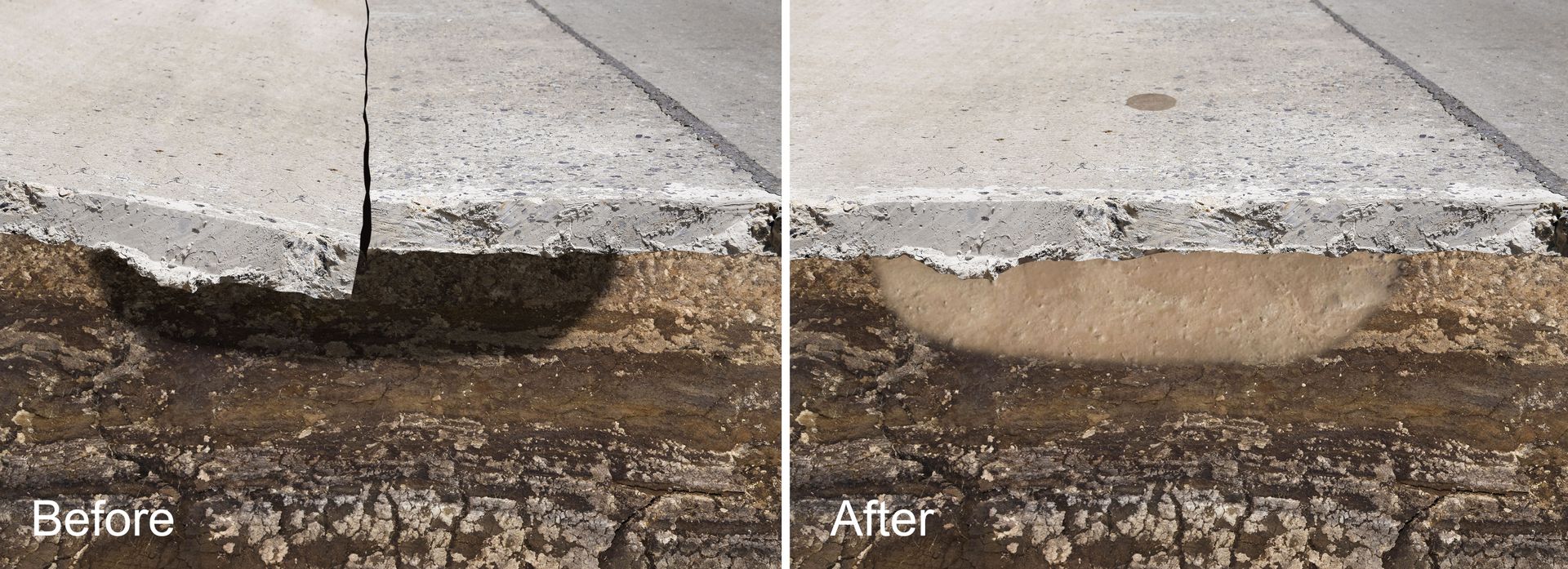
Consider the condition of the existing concrete as well as the intended result. Cracks, uneven surfaces, sinking, or other damage may call for repair, leveling, caulking, mudjacking, or replacement. A new outdoor area, meanwhile, may involve a patio, pool deck, driveway, walkway, retaining wall, or another installation.
Establish a Practical Budget
Defining a budget is an important part of preparing for a concrete project. Consider the type and scale of work involved, whether you need a relatively focused repair or a larger installation such as a driveway, foundation, patio, retaining wall, or walkway. Having a general financial range in mind can help you organize your priorities.
Different projects naturally involve different considerations. A damaged section of concrete may require a repair or leveling service, while concrete that cannot be repaired may require demolition and replacement. Understanding the work involved can help you establish realistic financial expectations before the project begins.
Set a Realistic Timeline
Discuss the expected progression of the project before work begins. The timeline can depend on the type and scope of work, including whether the project involves installation, repair, replacement, leveling, demolition, or another concrete service. Having a general understanding of the work sequence can help you plan around the project.
Relevant Contractor Research
Seek Personal Recommendations
Recommendations from people who have completed similar projects can provide another source of information when comparing contractors. Ask about the type of concrete work they have completed and whether their experience is relevant to your own project. A recommendation can be more useful when the previous project has similarities to the work you are considering.
When following up on a recommendation, consider asking about the project scope, communication, and overall experience. A recommendation becomes more useful when the previous project closely resembles the work you are planning. These details can help you determine whether the recommendation applies to your particular needs.
Review Customer Feedback
Online reviews can provide additional information about a contractor's work and customer experience. Look for feedback concerning services similar to the project you have in mind rather than focusing only on general ratings. This can help you identify comments that are more directly related to your needs.
For example, a person completing a driveway project may want to review feedback concerning concrete driveways, repairs, or mudjacking. Someone who wants an outdoor living area may instead look for feedback related to patios, pool decks, walkways, or retaining walls. Focusing on similar services can make customer feedback more relevant to your project.
Review Similar Project Experience
Consider whether a contractor has experience with projects similar to yours. Concrete work varies significantly depending on whether you need a driveway, foundation, patio, pool deck, retaining wall, walkway, curb, concrete stairs, or repair service. Reviewing the services offered can help you determine whether they correspond with the type of work you need.
For existing concrete, identify the condition affecting the surface and consider which service may address it. The available services include concrete repair, leveling and raising, mudjacking, caulking, demolition, driveway repair, and foundation repair. Describing the condition clearly can help you discuss which type of service may apply.
Practical Project Comparison
Clarify the Project Scope
Before work begins, make sure you understand what the project involves and which services are needed. A clearly defined scope can help prevent confusion about whether the work involves repair, replacement, leveling, installation, caulking, demolition, or another concrete service. It can also give you a clearer framework for discussing the project.
Consider the specific area being addressed and the result you want to achieve. A driveway repair, foundation repair, stamped concrete patio, retaining wall, walkway, curb, or concrete stair installation can each involve different considerations. Identifying the intended result can help keep the project discussion focused.
Discuss Project Details
Once you have identified the type of concrete work you need, discuss the project details with potential contractors. Explain the condition of the existing surface, the area involved, and the result you want to achieve. Clear information can make it easier to discuss the appropriate scope.
For larger projects, clarify whether the work involves installation, repair, replacement, or another service. This is particularly useful for projects involving foundations, driveways, patios, pool decks, retaining walls, walkways, and curbs, as each represents a different type of concrete work. Discussing these details can help ensure that the project is understood clearly.
Review the Final Scope
Before moving forward, review the project details and make sure the planned work corresponds with your needs. Confirm the area being addressed, the type of concrete service involved, and the intended result. This final review can help clarify what is included in the project.
This final review is especially useful when a project involves multiple services. For example, an existing concrete area may require demolition and removal before replacement, while an uneven surface may call for leveling or mudjacking instead. Understanding how the services relate to one another can make the overall scope easier to follow.
According to WifiTalents, the average strength of concrete used in residential building foundations is around 20-30 MPa. This information provides general context when discussing concrete foundations and related project considerations. The specific requirements and approach for a foundation project should still be discussed based on the property and planned work.
Informed Contractor Selection
Match Services to Essential Requirements
The most useful starting point when selecting a concrete contractor is to understand whether the contractor actually offers the services your project requires. Review the available service categories and compare them with the condition, location, and intended use of your concrete. This can help you focus your questions on the work that matters to your property.
Whether your project involves repairing existing concrete, leveling a sunken surface, installing a driveway or patio, addressing a foundation, constructing a retaining wall, or installing a walkway, focusing on documented services can help narrow your options. Consider the specific work involved rather than relying only on a broad description of the trade. This can make the initial discussion more specific to your project.
Prepare for the Conversation
Before contacting a contractor, gather the information you can about the project. Identify the affected area, describe any visible problems, consider the desired result, and note any questions you have about the work. Having these details organized can make the initial conversation more productive.
Completing these details can make it easier to explain your needs and discuss whether the contractor's services correspond with the project. Be prepared to describe what you know about the existing concrete or the planned installation. This information can help keep the conversation centered on the actual work involved.
For property owners in Lincoln and surrounding areas, choosing a concrete contractor begins with understanding the work your property needs and finding services that align with those requirements. From concrete repairs and mudjacking to driveways, foundations, patios, pool decks, retaining walls, walkways, and stairs, learn more about the available options from Concrete Doctor Inc.